The crypto world is a very diverse yet simple system to understand. Cryptocurrency or Crypto-assets are common words used to describe tokens, but have taken on a couple of more diverse and specific meanings depending on the context. Firstly, to describe all cryptocurrencies, besides the two major coins being Bitcoin and Etherum. Even though they are technically also tokens. In addition, it is to describe certain digital assets that run on top of one another, such as how many decentralized finance options there are or what "Defi"tokens do.
Whilst researching and learning about cryptocurrencies, you will come across a lot of common connotations. So it is useful to understand their functionality within the blockchain ecosystem.
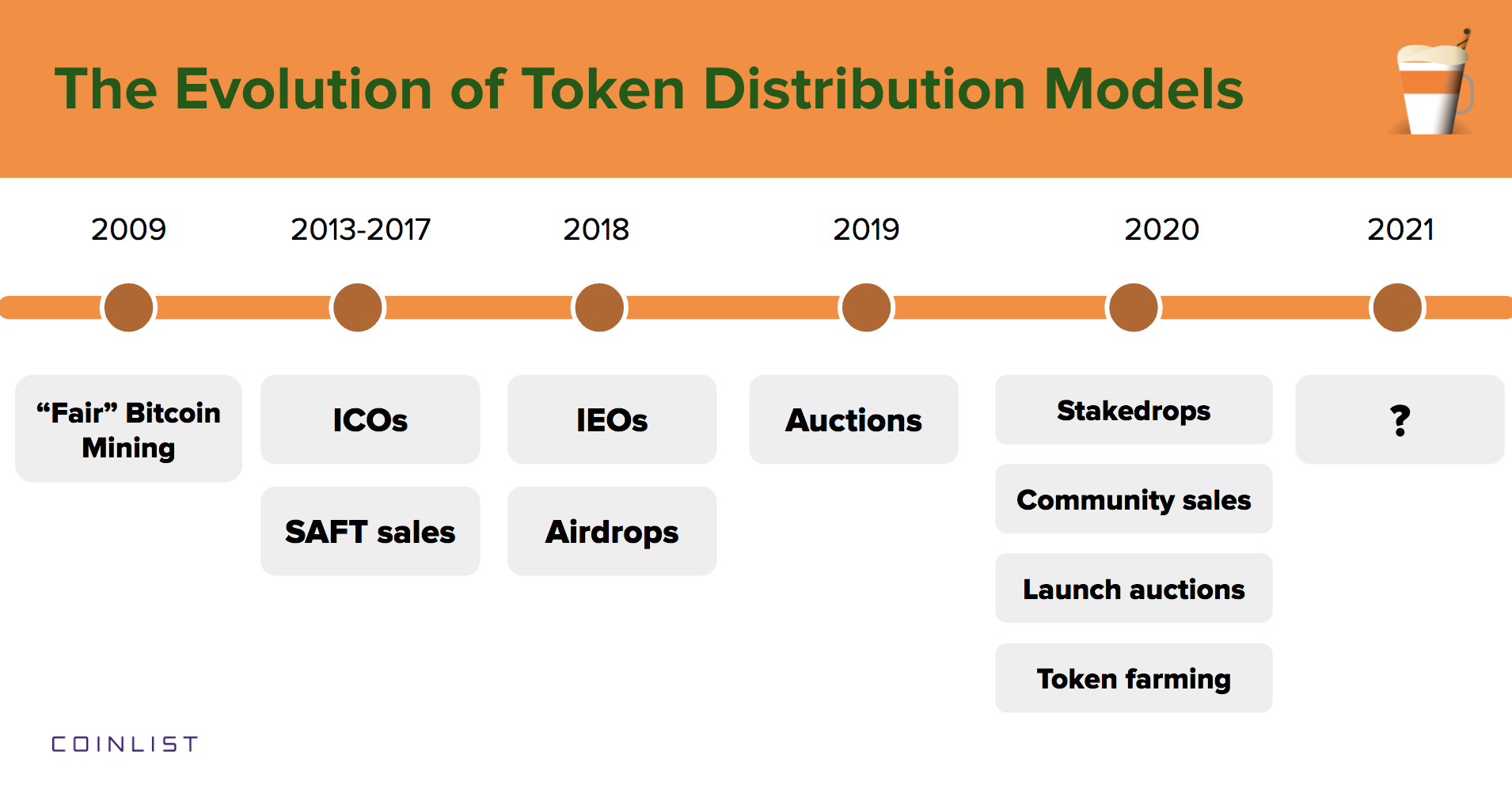
Satoshi Nakomto engineered a Bitcoin mining system in 2009 to distribute new token supplies to those supporting the new network he had created. Satoshi Nakamotos designed a new concept, so that most of the network participants onboard would earn bitcoin for their work in supporting consensus. Even though he could foresee the future of an ever-escalating hardware battle. His primary goal was to bring as many people into the network as possible, to ensure a sufficiently large distribution of stakeholders.
The industry began to mature and grow at a rapid rate. Initial coin offerings came in as a novel way of launching a new blockchain project and distributing tokens. Enthusiastic investors were able to support the launch of a new protocol, by contributing bitcoin to early developers in exchange for pre-mined, or already allocated tokens at network launch. Mastercoin was the first to take advantage of this new funding mechanism in 2013. Although they are no longer a common household name. Its rebranded protocol, Omni, which was the foundation for USDT (Tether is a stable coin) before expansion across other protocols. Ethereum quickly followed MasterCoin's strategy in 2014, and managed to raise more than 2700 BTC equivalent to $44 358,60 in the first 12 hours of the pre-sale.
Ethereum unleashed computational power on the blockchain. Opening the door to a whole new set of innovative opportunities. These opportunities combined with the relatively novel ERC-20 token "Ethereum request for comment" standard, made it extremely easy for investors to launch a new token project on Ethereum. Continuing today into both Ethereum-based projects as well as novel blockchains designed to compete with Ethereum itself.
IN the 2017 era, the quality of ICOS and projects varied dramatically, and continued to develop and grow. While some are dead and many were outright frauds, the apparent quantity and dollar amounts involved drove regulatory scrutiny across the globe. Ultimately, many teams shifted from the EThereum-style ICO, towards more regulated approaches, including Simple Agreement for future tokens "SAFTs". Protocol labs and Cooley designed a compliant framework that was to facilitate fundraising in the cryptocurrency space. This simply made it easier for SAFT to allow accredited investors to participate in compliant token sales. However, many other projects escaped public sales entirely, through private fundraising via equity or other instruments in private markets.
When the dust had settled in the epic new crypto world. Crypto experienced its first crash in 2018. Many new projects were emerging and disassociating themselves with ICOs. The ICO fundraising structure started and suffered credibility problems. Because of many projects not being delivered as functional products, also investigations into multiple firms are under way, and a few have been charged as fraudulent or criminal enterprises, The tokenization frenzy days of ICOs were viewed as a catalyst, both for the spectacular rise as well as the fall that was to follow. While the ICOs continued, the growth and prominence of exchanges in the crypto ecosystem led to the development of IEOs, "Initial Exchange Offerings." The ICO structure. What was originally conceptualized as a decentralized and populist fundraising mechanism, whereby an IEO is administrated by a crypto exchange. On behalf of the project that seeks to raise funds alongside an exchange listing. Many projects have seen it as an opportunity to ensure liquidity for their token post-launch, while exchanges view it as an opportunity to reward their most loyal customers via allocations to selective pre-launch tokens. Token issuers pay a listing fee, along with a percentage of the tokens sold during IEO. These project tokens are sold on the exchange platform in return. When the coins are listed after the IEO is over. IEOs tend to only exist on platforms outside of the United States and while IEOs have fallen out of favor to some degree, they continue to persist on Binance and other Asian exchanges.
Token sales were historically offered at a fixed price to prospective purchasers. There has been some experimentation with different pricing models, including the Gnosiss auction or Ethereums own increasing price ICO. Coinlist introduced a Dutch auction mechanism to facilitate a more fair and accurate price discovery. In a Dutch auction, the seller sets an initial price per token. Units are usually sold from the highest bidder downward until the auction "clears". Participants place bids for the number of tokens and a maximum price per token they are willing to pay. And are guaranteed an allocation as long as their price is above the clearing price. All participants determine the price value two examples that had auction sell out on coinlist
In the year 2020, there have been a lot of exciting innovations seen in the token module space. From stakeDrop distribution, NUCypher , Oasis, to community sales from NEAR and FLow. Furthermore, projects, particularly in the DeFi sector, choose to bypass token sales entirely. Thus, experimenting with novel classes of distribution models which are led by Compound. Several DeFI projects have launched and distributed their tokens directly into the wallets of their protocol users. Uniswap, 1inch, Compound together airdropped, a promotional event for a new blockchain-based service. In fact, more than $1B in tokens were given to their users in 2020, incentivizing usage and giving users a say in governance. Many token distribution mechanisms, in DeFi, do not include a fundraising component. But instead, they focused on distributing tokens to users that are providing value to the network. Satoshi did the same with Bitcoin mining. Although this process comes with its challenges and setbacks. Token issuance in Defi is going through a chaotic period with a whole lot of activity and growing pains. Just like any new business or new technology goes through in the capital market.
Cornucopia, is a private index fund which is dedicated to the acquisition of shares in private companies. Ahead of the initial public offering(IPO). Cornucopia's investment strategy was dedicated to the swarm theory and the wisdom of the crowd. With growing community sales, launch sales, stakeDrops and an acceptance of DeDi token distribution. Momentum around Polkadot and its Parachain Crowdloans (PCLs), token issuance in 2021 promises to serve up prime opportunities for investors. Token distribution in 2021 started by blending key elements from traditional token sales( engaging the crowd) and DeFi token issuance( empowering users to provide value to the project). There has been an increased alignment of incentives between projects and token holders in 2021, making this one of the dynamic corners of the crypto industry.

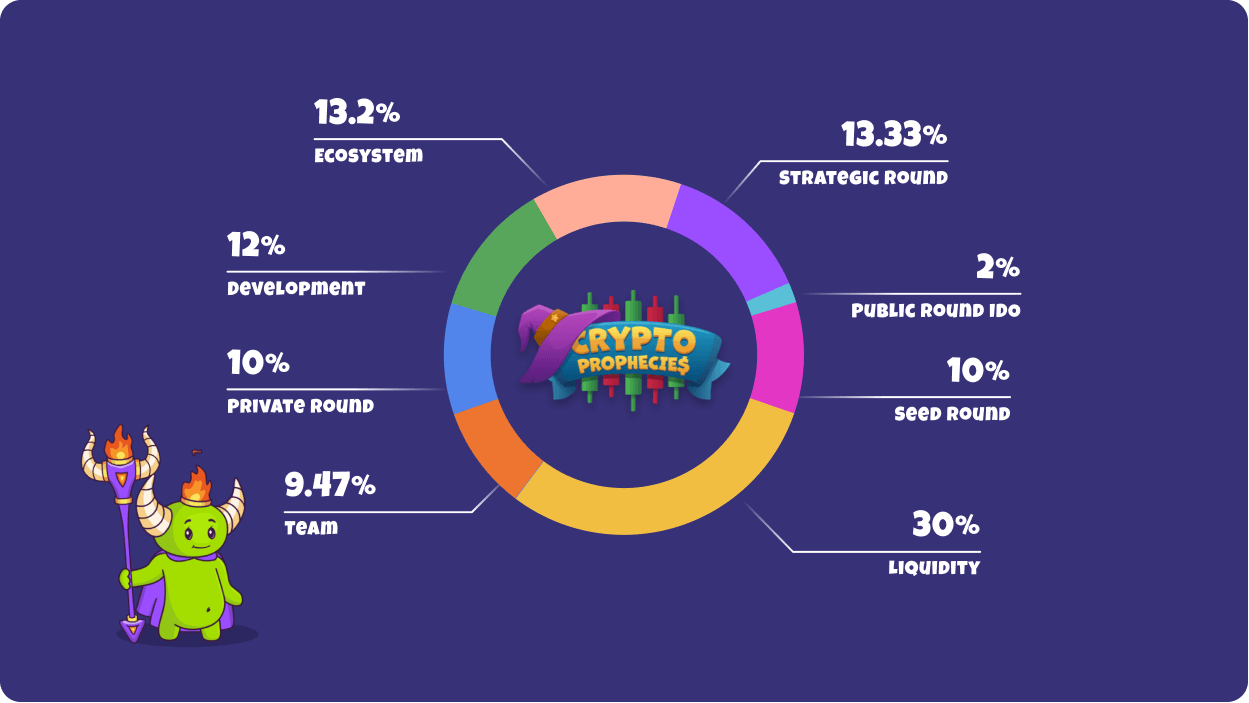
Seed: 50% lock for 30 days Private Sale 1: 50% lock for 30 days Private Sale @: No Lock Public Sale: No Lock
Real distribution of the supply is important to reach the end goal of the project and full decentralization and realizing measurable token value. Thirteen percent of the tokens sales are dedicated to the public. This is to help nature and develop the project organically, and transition from a privately developed idea to a public domain entity.

Users lend their tokens through a decentralised application (dAPP). Lending transactions happen through smart contracts. It is a program stored on the blockchain, and is used to automate the execution of an agreement. Making it easier to allow all participants to be certain of the outcome without any middleman or intermediaries involved in the process.

Thetechnology and crypto landscape is constantly evolving, and we really don't know what will happen beyond 2022. the future of blockchain is tremendous and its not going anywhere. Should we choose to adapt and accept it, it will restore our financial power and decisions. I strongly believe that this is the future. We live in a community-driven society and blockchain technology has managed to build ecosytems and communities around new protocols and Apps. This is definitely going to revolutionize how we do things. The time has come for us to consider incorporating this into business models.